

What is a blitz in football is a common question among fans trying to understand defensive strategy. A blitz is an aggressive defensive move where extra players rush the quarterback to apply immediate pressure and disrupt offensive timing before a play can fully develop.
Blitzing adds excitement to the game but also involves calculated risk. When used correctly, it can change momentum, force mistakes, and completely alter the outcome of a drive.
Quick Summary
A blitz in football is a defensive strategy that sends additional defenders toward the quarterback. Its main goal is to create pressure, force rushed decisions, and cause negative offensive plays, but it must be executed carefully to avoid big gains.
What Is a Blitz in Football?
A blitz is the moment when not just the defensive line but also all other defenders go after the quarterback as soon as the ball is snapped. The offensive line, therefore, has the disadvantage of having less support from blockers against the rush because of the extra rushers, who are typically linebackers, safeties, or corners.
The opposing team’s strategy to overpower the blockers directly leads to a reduction of the quarterback’s time for making his decision. As a result, the defense can claim a sack, interception, or a throwing mistake, or they just allow the play to break before the receivers have completed their routes.
Why Do Defenses Use a Blitz?
Blitzing is one of the primary defensive maneuvers applied to disturb the offensive beat. Football is a timing game, and once the pressure hits the quarterbacks very quickly, they have a hard time deciphering the coverage or letting the plays develop in a correct manner.
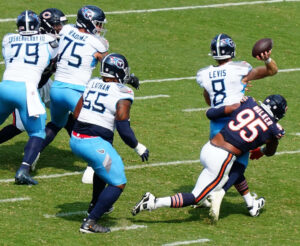
Another factor that leads to the decision of defenses to blitz is to force the offense into mistakes. The defense regularly exerting pressure increases the risk of interception, fumble, or bad throw, and thus, they can simply shift the game momentum in their favor.
When Do Teams Blitz in Football?
In most cases, the defense sends extra players to rush the passer during third and long, an easy-to-survey passing situation. At such moments, the quarterback’s demand for time would be the highest, so that the pressure inflicted would be more effective. Read More: Flag Football Positions
Besides, the offense’s inability to use the whole field makes it easier for the defense to apply the same strategy anytime in the red zone. When a team is forced to make quick decisions near the end zone, the chances of turnovers go up while the chances of scoring go down.
Common Types of Blitzes in Football
There are several blitz variations designed to confuse offenses. Each type focuses on speed, deception, or overwhelming force depending on the defensive scheme and situation.
Different blitzes allow defenses to stay unpredictable. Mixing pressure styles prevents quarterbacks from identifying patterns and adjusting protections easily.
Popular Blitz Types:
- Linebacker blitz
- Safety blitz
- Cornerback blitz
- Zero blitz
- Zone blitz
Blitz vs Standard Pass Rush
| Feature | Blitz | Standard Pass Rush |
| Number of Rushers | Extra defenders | Defensive linemen only |
| Pressure Speed | Very fast | Controlled |
| Coverage Support | Limited | Strong |
| Risk Level | High | Lower |
Risks and Rewards of Blitzing
The main benefit of blitzing is the disruption it causes right away. A successful blitz may lead to quarterback sacks, loss of yards due to tackles, or the defense stealing the ball, which will then give the defense and the fans a high feeling.
On the other hand, the usage of blitzing means that the coverage for the receivers in the backfield is less. In case the quarterback spots the pressure instantly, he can either make a very quick pass, or if a defender misses his assignment, then the offense can gain a lot of yards.
Who Is Allowed to Blitz?
In most levels of football, linebackers and defensive backs are allowed to blitz. Defensive coordinators decide who rushes based on formation and game situation.
Some youth and flag football leagues restrict blitzing to protect player safety. Always checking league rules is essential before designing aggressive defensive schemes.
How Blitzing Impacts the Game
Blitzing affects more than just the quarterback. It forces offenses to adjust protections, use quick passes, and limit deep routes, which can shrink the playbook.
Over time, effective blitzing wears down offensive confidence. Even when not blitzing, the threat alone can cause quarterbacks to rush decisions unnecessarily.
Final Thoughts
Grasping the concept of what is a blitz in football? allows the supporters to value more the tactical aspect of defence. Blitzing is a gamble with a huge reward if successful, which needs precise timing, disciplined execution, and clever play-calling to be effective at every level of the game.
FAQs
1. Is blitzing legal in football?
Yes, blitzing is legal at most levels of football, though some youth leagues limit how and when players can blitz.
2. Can any defensive player blitz?
Yes, linebackers and defensive backs commonly blitz, depending on the defensive scheme and game situation.
3. Why don’t teams blitz every play?
Blitzing every play would be predictable and risky. Teams mix blitzes with coverage to avoid exposing weaknesses.
4. What happens if a blitz fails?
If a blitz fails, it can leave receivers open, leading to quick completions, big gains, or touchdowns.