


Cricket is a globally popular sport with a rich history and intricate rules. At its core, the game involves two teams of eleven players each, where one team bats to score runs, and the other bowls and fields to dismiss the batters and limit runs. Played in formats like Test matches, ODIs, and T20s, the sport has critical elements like overs, wickets, and fielding positions.
Rules like follow-on, declaring, and extras add strategy, while umpires and the Decision Review System (DRS) ensure fair play. Understanding these 10 Basic Rules Of Cricket helps in appreciating the depth and excitement of the game.
1. The Structure of the Game

Cricket is played between two teams, each consisting of eleven players. The game revolves around scoring runs and dismissing players. At the same time, the essence remains the same: different formats of cricket present unique challenges and strategies.
The game has three primary formats: Test cricket, One-Day Internationals (ODIs), and Twenty20 (T20) cricket.
Formats:
- Test Matches: These are the most extended format, played over five days. Each team gets to bat and bowl twice, and the team with the highest total score across both innings wins. The challenge in Test cricket lies in the balance between aggressive play and endurance, with weather conditions and pitch changes influencing gameplay over multiple days.
- One-Day Internationals (ODIs): Each team is allocated 50 overs (300 balls) to score as many runs as possible. The team with the highest score at the end of the innings wins. Unlike Test cricket, ODIs require a balance between a steady accumulation of runs and controlled aggression due to the limited number of overs.
- T20 Matches: The newest and most fast-paced format, T20 matches are limited to 20 overs per team. These games prioritize aggressive and innovative play, with batters looking to score rapidly and bowlers relying on various tactics to contain runs.
Importance:
These formats determine the flow and strategy of the game. For instance, Test matches test a player’s technique and temperament over long periods, while ODIs and T20s bring the excitement of quick runs and pressure-filled moments.
2. Batting and Bowling
The two fundamental aspects of cricket are batting and bowling. One team bats to score runs, while the other bowls and fields to dismiss the batters and limit runs. Cricket’s essence lies in the bowler-batsman duel.
Batting:
- Objective: The batsman must protect the stumps behind them while attempting to score runs by hitting the ball. Runs can be scored by running between the wickets or hitting the ball to the boundary (four runs) or over the boundary (six runs).
- Essential Techniques: The art of batting involves footwork, timing, and shot selection. Batsmen may play cautiously (Test cricket) or more aggressively (T20 cricket), depending on the format.
Bowling:
- Objective: The bowler aims to dismiss the batsman by hitting the stumps, inducing an error (caught, lbw), or restricting the batsman’s ability to score. Each bowler is allowed a specific number of overs, and there are different types of bowlers, such as fast bowlers, swing bowlers, and spin bowlers.
- Key Strategies: Bowling involves varying speed, length, and movement (swing or spin). Fast bowlers may intimidate with pace, while spinners deceive the batter with turn and flight.
Importance:
This dynamic of batting versus bowling is the core battle in cricket. Mastering the balance between aggression and defense for both batsmen and bowlers is critical to success.
3. Fielding Positions and Roles
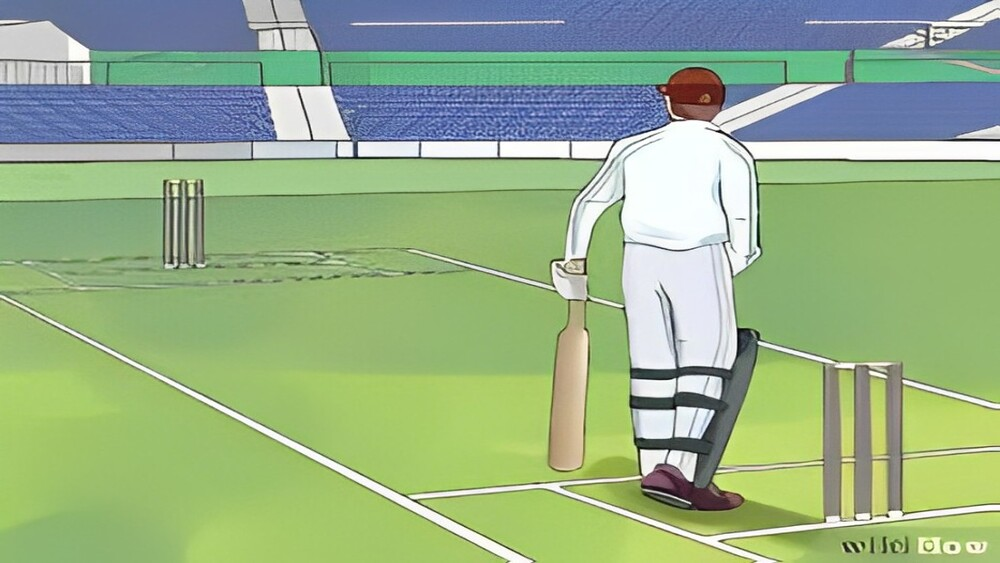
Cricket is unique because of its complex and varied fielding positions. Each fielder has a specific role, depending on their location and the stage of the game.
Key Fielding Positions:
- Slip: Positioned near the wicketkeeper to catch edges.
- Mid-Off: Positioned closer to the bowler, saving singles or catching straight drives.
- Third Man: Positioned behind the batsman, responsible for cutting off edges past slips.
Importance of Fielding:
Fielding is a vital part of cricket. Agile and intelligent fielding can save runs, create pressure, and produce game-changing moments like run-outs or direct hits. In shorter formats like T20, excellent fielding becomes even more crucial as every run matters.
4. Overs and Bowling Restrictions
An over consists of six legal deliveries bowled by a bowler. In limited-overs cricket (ODIs and T20s), bowlers have a restriction on the number of overs they can bowl.
Bowling Restrictions:
- Test Matches: Bowlers can bowl as many overs as they are physically able without any specific restrictions. The captain uses them based on pitch conditions and match situations.
- ODIs: Each bowler can bowl a maximum of 10 overs in a match, encouraging teams to balance fast bowlers, spinners, and all-rounders.
- T20s: Each bowler is restricted to a maximum of four overs, which encourages aggressive play from batsmen and forces bowlers to innovate quickly.
Importance:
The number of overs and restrictions play vital roles in dictating strategies for both teams. They ensure that teams cannot rely on just one bowler, demanding variety in attacks and changes in strategy.
5. Wickets and Dismissals

Cricket is all about taking wickets and preventing the opposition from scoring runs. There are 10 ways a batter can be dismissed in cricket, some more common than others.
Standard Methods of Dismissal:
- Bowled: The bowler hits the stumps with the ball, and the bails fall off.
- Caught: The batsman hits the ball, and a fielder catches it before it hits the ground.
- Leg Before Wicket (LBW): The batsman is dismissed if the ball would have hit the stumps but is intercepted by the batsman’s legs.
Importance:
Taking wickets is crucial as it limits the opposition’s ability to score runs. The quicker a team takes wickets, the better their chances of containing the other team’s total. Dismissals like LBW and caught behind require precise judgment and skill, adding complexity to the game.
6. Runs and Scoring

The batting team’s main objective is to score runs. Runs can be scored by hitting the ball, running between the wickets, or hitting the ball to the boundary.
Scoring Methods:
- Single Runs: A run is scored each time the two batsmen successfully run from one end of the pitch to the other.
- Boundaries: A four is scored when the ball hits the ground before crossing the boundary, and a six is awarded when the ball clears the boundary without touching the ground.
Importance:
Runs are cricket’s currency, and their accumulation is essential for winning. The speed at which runs are scored varies greatly between formats, with Test cricket often focusing on long, sustained innings and T20 cricket encouraging rapid scoring.
7. The Toss and Innings
Before the start of the match, the captains of both teams meet for the toss, where a coin is flipped. The captain who wins the toss must decide whether to bat or bowl first.
Importance of the Toss:
The toss can significantly impact the match’s outcome, especially in Test cricket, where pitch conditions change over time. For example, teams often prefer to bat first when the pitch is fresh and bowl later when it becomes more challenging to bat.
Innings:
- Innings refer to the periods during which a team bats. In Test matches, each team has two innings, while in ODIs and T20s, each team bats once.
8. Extras and Penalties

In cricket, extras refer to runs awarded to the batting team due to mistakes by the fielding side. These can occur in several ways, including no-balls, wides, byes, and leg-byes.
Types of Extras:
- No-Balls: An illegal delivery, usually overstepping the crease.
- Wides: A ball too far from the batsman to be hit.
- Byes: Runs scored when the batsman misses the ball and it bypasses the wicketkeeper.
Importance:
Extras can significantly impact the game, especially in shorter formats where every run counts. Teams aim to minimize giving away extras as it can add unnecessary pressure.
9. Follow-On and Declaring
Follow-On:
The follow-on rule applies when the team batting second trails significantly behind the team that batted first, usually by 200 runs or more in a five-day Test match. The team that batted first can force its opponents to bat again immediately.
- Strategic Importance: Enforcing the follow-on can help a team press for victory by maintaining pressure on the opposition.
Declaring:
A team can declare its innings closed before all ten wickets fall, usually when they feel they have enough runs and want to bowl out the opposition with ample time remaining in the game.
- Strategic Importance: Declaring adds a strategic dimension to the game, as captains must gauge whether to accumulate more runs or give their bowlers time to bowl the opposition out.
10. Umpires and DRS
Cricket relies on umpires to enforce the game’s rules, making decisions on dismissals, runs, and boundaries. In modern cricket, the Decision Review System (DRS) aids umpires with technology.
Importance:
Umpires are vital for the fair conduct of the game, and DRS helps minimize human errors by allowing players to review close decisions.
Faqs About 10 Basic Rules Of Cricket
What is a maiden over in cricket?
A maiden over is when a bowler delivers six balls without conceding any runs.
What is a powerplay in limited-overs cricket?
A powerplay is a set number of overs during which only
two fielders are allowed outside the 30-yard circle, making scoring easier for the batting team.
What does “caught behind” mean in cricket?
Caught behind refers to a batsman being dismissed when they edge the ball and the wicketkeeper catches it.
What is a free hit in cricket?
A free hit is awarded to the batting team after a no-ball, allowing the batsman not to be dismissed by any method except for a run-out.
What is the role of the third umpire in cricket?
The third umpire is an off-field official who uses technology to review and assist in close decisions, such as run-outs or boundary calls.
Conclusion:
Cricket is a game of complex rules and strategic depth, challenging but fascinating nonetheless. The fight of bat against the ball to fielding positions and declaring or enforcing follow-on-speaking all about its richness with each phase of the game of cricket.
It is an overfull of T20 action or merely a string of Test match-overs, understanding these rules would help appreciate the game in all its complexities.
