

UFC matchmaking decides every fight fans see on a card. Two men control most of that process behind closed doors. Their calls shape title pictures, rivalries, and careers. This guide breaks down exactly how UFC matchmaking works from start to finish, and you can browse more fight-by-fight breakdowns in our UFC category.
Who Actually Makes Fights
Sean Shelby and Mick Maynard run UFC matchmaking today. Both hold the title of Vice President of Talent Relations. Shelby handles men’s bantamweight through welterweight, along with women’s strawweight and bantamweight. Maynard covers the women’s divisions, men’s flyweight, and men’s middleweight. This split keeps communication clean and prevents managers from shopping fighters between the two men.
Joe Silva built this system before retiring in 2016. He spent two decades pairing fighters from lightweight to heavyweight. Silva’s departure led the UFC to promote Shelby and bring in Maynard. Dana White still makes the public fight announcements. The actual matchmaking decisions, though, come from Shelby and Maynard first.
The Factors That Decide A UFC Matchmaking
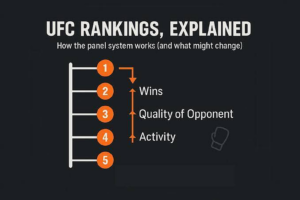
Rankings matter first in UFC matchmaking. A fighter ranked in the top five usually earns a shot at someone near the title. Win streaks and quality of opposition weigh heavily too. Beating a ranked contender counts for far more than beating an unranked newcomer. Matchmakers track this constantly across every division.
Finishing ability plays a bigger role than most fans realize. Maynard has said publicly that finishing fights on the regional scene predicts UFC success. A fighter who wins by decision every time raises red flags for matchmakers. The UFC wants action, not just win totals. That preference shapes which prospects get signed and promoted.
Style matchups also drive booking decisions. Matchmakers avoid pairing two fighters with identical styles too often. A grappler against a grappler rarely excites casual viewers. Mixing a striker against a wrestler creates better drama and clearer storylines. This thinking applies from prelims all the way to five-round main events.
Star power and marketability influence matchmaking as well. Fighters with personality, trash talk, or a compelling backstory get pushed faster. Conor McGregor’s rise proved this approach works commercially. The UFC balances rankings-based fairness against these business realities constantly. Neither factor operates completely alone in the final decision.
How Title Fights Get Built
Title shots follow a rougher version of a contender ladder. The number one ranked fighter typically gets first consideration. Injuries, activity, and existing rivalries can shift that order quickly. A champion calling out a lower-ranked name sometimes overrides the ladder entirely. Business interests and pay-per-view potential factor into every title fight booking, as seen on stacked cards like our breakdown of UFC 316’s full match card.
Interim titles appear when a champion cannot compete. The UFC created this system to keep divisions moving during long injury layoffs. An interim champion usually earns the next shot at the real belt once healthy. This keeps a division active instead of stalling for months. Fans get meaningful fights even without the true champion.
Scouting And Building New Talent UFC Matchmaking
Matchmaking starts long before a fighter reaches the UFC roster. Shelby and Maynard scout regional promotions and international circuits constantly. Dana White’s Contender Series feeds prospects directly into the organization. The UFC Performance Institute in Las Vegas, China, and Mexico also develops raw talent. These pipelines keep every division stocked with fresh contenders.
Record and finish rate get scrutinized before any signing happens. A prospect who never finishes regional opponents faces tougher questions. Matchmakers want proof a fighter can perform against increasing competition levels. This filtering process explains why some undefeated fighters still wait years for a call. Quality of opposition always outweighs a flawless record alone.
Why Some Fights Never Happen
Fighter availability causes more cancellations than fans assume. Injuries, weight cuts, and personal issues pull names off cards regularly. Management disputes over pay or timing also block obvious matchups. Some rivalries simply never align because both fighters stay busy elsewhere. Matchmaking involves constant backup planning for exactly these situations.
Champion movement between weight classes adds extra complexity too. When a titleholder vacates a belt to chase another division, matchmakers must rebuild the entire picture. Islam Makhachev’s move from lightweight to welterweight forced new plans at 155 pounds. Ciryl Gane’s interim heavyweight run started the same way. These shifts ripple through several divisions at once.
Final Takeaway
UFC matchmaking blends rankings, rivalries, and business sense into one process. Shelby and Maynard control most divisions, while White handles the announcements. Finishing ability, style, and star power all shape who fights next. Understanding this system helps fans see why certain matchups happen before others do.

[…] Cody Garbrandt UFC retirement comments have become one of the biggest talking points ahead of UFC 329. The former UFC bantamweight champion did not announce his retirement, but he admitted that life after fighting can feel uncertain. His latest interview has shifted attention from his upcoming fight to the long-term future of every UFC athlete. […]
[…] to rely only on aggression. That adjustment is what impressed Adesanya the most. It is also what UFC matchmakers will notice going […]
[…] interesting because UFC title opportunities involve more than rankings alone. Our breakdown of how UFC matchmaking works explains the other factors behind those […]
[…] UFC fights and immediately demanded a championship opportunity after UFC 331. Understanding how UFC matchmaking works also shows why rankings alone do not guarantee the next title […]
[…] can also move individual matchups between the preliminary and main cards. These factors are part of how UFC matchmaking works throughout an event […]