


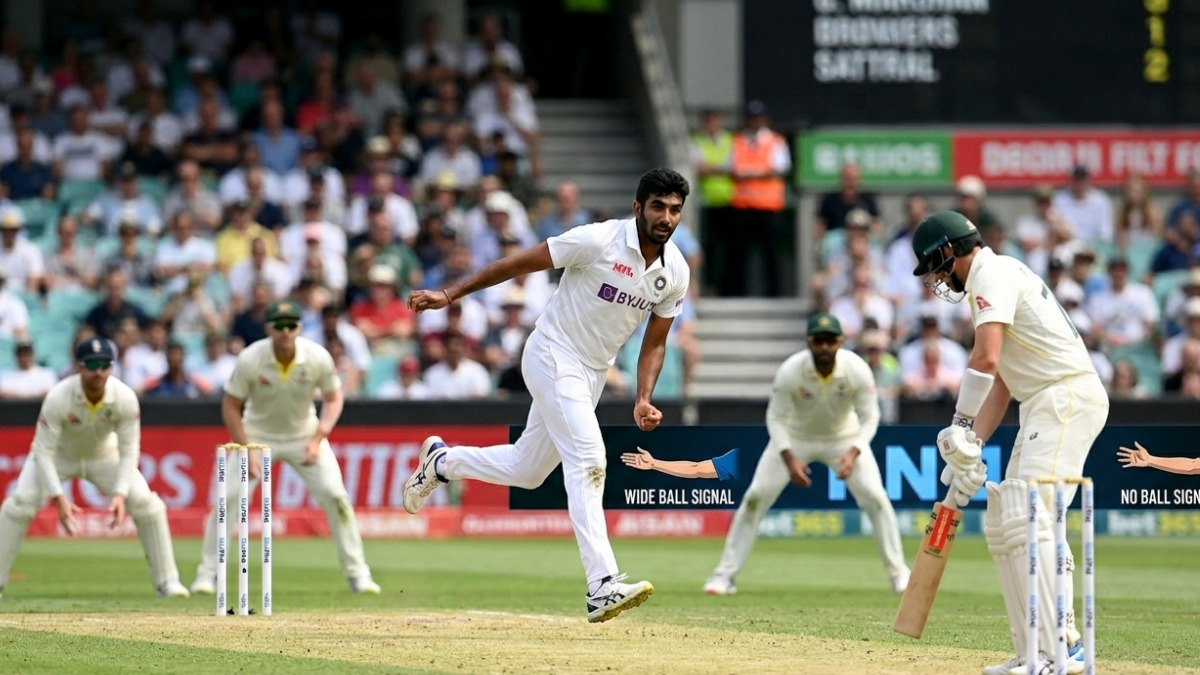
One crucial landing of the feet can change the direction of a cricket game. No ball is one of the costly errors that often gives the other side an unfair advantage in a cricket game. When a bowler bowls a no-ball, the whole bowling side is penalized. The penalty is massive enough that sometimes it can help the batting side to get out of the pressure situation created by the bowling side. Especially in modern-day cricket, where stakes are high, a no-ball can be very costly to turn the whole situation of the game. Let’s dive straight into the guide on what is a no ball in cricket and why it is so important in a cricket game.
What is a No Ball in Cricket?
In cricket, a no-ball is a delivery that declared after bowler volatile certain rules in formal bowling. The most common type of no-ball is crossing the bowling side popping crease. If a bowler’s feet cross the bowling crease, then it will be declared as no-ball. However, there are many reasons why a ball can be declared as no-ball. If a bowler bowls the ball up to the batter’s chest height without bounce, it will also be declared as a no-ball. Another rare reason that causes no ball is that the bowler throws the ball instead of the proper straight-arm action.
Why the No Ball Rule Exists
The no-ball rule in cricket was introduced to make cricket a fair and balanced competition between batter and bowler. Crease rules make sure the batter does not get an unfair advantage by bowling the ball to the batter very closely. Similarly, the rules against waist height also make sure the batter remains safe from any injury. Without these rules, cricket can quickly become a dangerous sport that can cause some deadly encounters as well.
The Instant Penalties: Extra Runs and Re-bowling
When the umpire says ” no ball, ” the bowling side faces immediate penalties. The batting side gets 1 extra run, and that ball which causes a no-ball will not count. Next delivery will be a free option for the batter to score anywhere he wants. Batter will not get out on that delivery except for the run-out option.
The Most Common Foot No Balls
The Front-Foot Law: Staying Behind the Popping Crease
The front-foot law is critical reason for a no-ball in a cricket game. When a bowler’s front foot crosses the popping crease, umpire signal that ball as no-ball. To avoid no-ball, bowler must make sure that their foot is slightly behind the crease. It does not matter if the foot of the batter is landed or in the air and behind the crease; that delivery will remain safe.
The Back-Foot Law: Avoiding the Return Crease Touch
Where Front foot law gets massive attention, Back foot law is also important in no-ball declaration. This rule states that the back foot of the batter should be behind the return crease. The return crease is the parallel line on the side of the wicket at an equal distance. If the back foot of the bowler touches that crease, the umpire immediately signals no ball.
How Third Umpires Use Real-Time Technology
In the modern world, umpires use modern technologies to reduce the friction for clear decisions. Now modern technology has taken over and eased the job of the umpire to make critical decisions. In international and franchise cricket, umpires monitor every ball of the bowler closely with latest technology. When the bowler’s feet steps out of the popping crease, the third umpire communicates with the on-field umpire to signal no-ball.
Field Placement and Wicketkeeper Violations
Powerplay Constraints and Outer-Circle Field Restrictions
In White-ball cricket, the captain cannot just place the fielder anywhere within the boundaries. The game enforces strict fielding restrictions to avoid transparency in the game. In ODI and T20 cricket, there is a phase of few overs which is called power play. In power play no more than 2 fielders can be outside the 30-yard circle. If the captain miscalculates or places a 3rd fielder on the boundary, the umpire will call the no-ball straight away. This rule keeps the captain in balance and makes field adjustments according to the rules.
The On-Side (Leg-Side) Fielder Limit Rule
To prevent the excitement in the game, a team cannot have 5 fielders on the leg side boundary. Other than this, the fielding side cannot stand more than 2 fielders from the square leg to the fine leg region. Breaching that specific layout will immediately cause the illegal placement, and the result will be a no-ball.
Wicketkeeper Positioning
Wicket-keepers also have their own strict boundaries to maintain the balance of the game. The keeper must remain behind the wickets until the ball passes the batter and the wickets. The keeper moves in front of the stumps early using the gloves and anything of his/her body, it will be called a no-ball as well.
Conclusion
Ultimately, no ball is one of the most brutal and strict rules in cricket. It punishes the small foot errors and tactical lapses. With a small foot error, the bowling side can be in the risk of losing. Sometimes it can ease the pressure situation for the batting side by getting free runs. And it becomes worse when the batter gets 6 runs on the next ball, which is a free hit. Therefore, bowlers have to take extra care to be disciplined with line and length, but with their feet as well. A cricket game is defined by the finest of margins, in which the occurrence of a no-ball is always a key moment as well. Check out cricket umpire rules as well.
FAQs
1. What is the most common type of no-ball?
The most common type is the front-foot no-ball. This happens when a bowler’s front foot lands completely past the popping crease.
2. Can a batsman be out on a no-ball?
Without Run out every out rule is not applicable on the no ball.
3. What is a “Free Hit” in cricket?
In limited-overs cricket (like T20s and ODIs), a no-ball is followed by a free hit. On this next delivery, the batsman cannot be out caught or bowled.
4. How many runs is a no-ball worth?
In most professional matches, a no-ball awards the batting team one extra run. This run is added to the “extras” tally and bowl extra delivery to complete the over.
5. Can a fielder cause a no-ball?
Yes. If the fielding team has too many players outside the circle during a Powerplay, or more than two players behind square on the leg side, the umpire


