


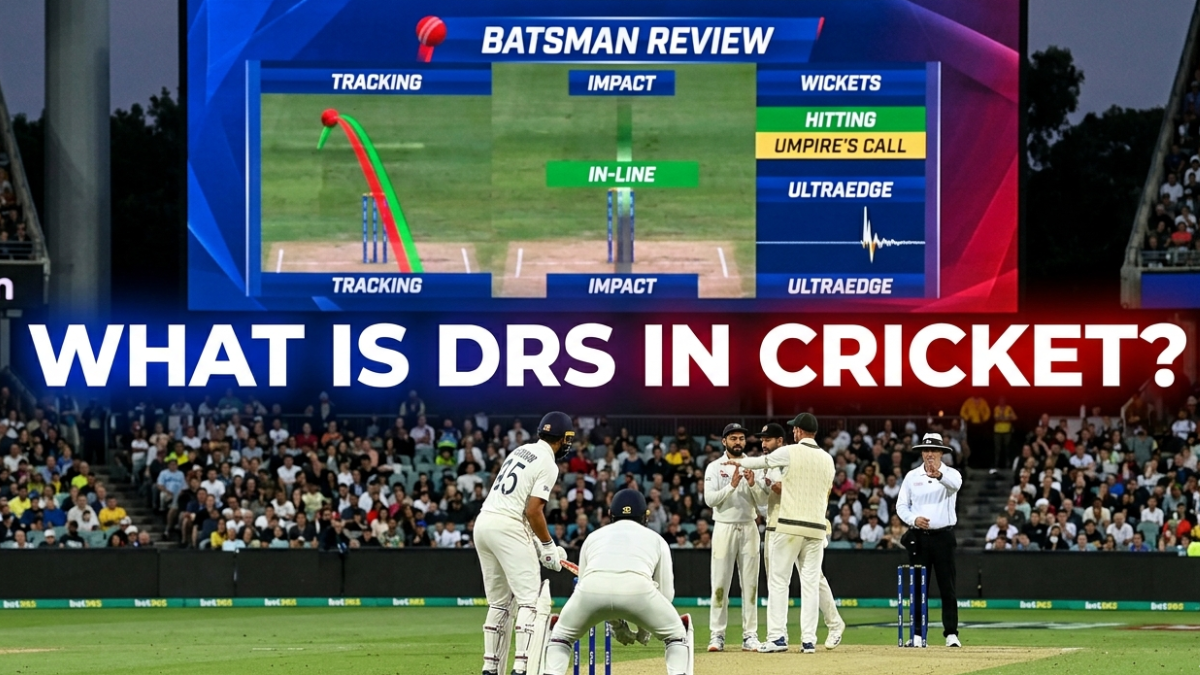
In cricket, a single gesture by umpire can change the entire atmosphere of the game. A raised finger can end the batter’s innings, while the stretched arms of the umpire can bring joy and excitement among the fans. Umpire signals are way more important after players in a cricket game. These actions from the umpire are a secret language that controls the whole cricket game. From tense LBW to dramatic third umpire review, each moment carries full joy and excitement among the fans. The guide will unfold the cricket umpire signals explained in a simple and engaging way.
What Are Cricket Umpire Signals?
Cricket umpire gestures are official signals used by umpires to communicate decisions during the game. These signals directly inform the players, scorers, and everyone watching that game what is happening on the field. Whether it is a six, four, or out, every gesture from the umpire contains a specific meaning recognized in cricket. These signals from the umpire during the game are part of the game’s identity and communication system in cricket.
Why umpire signals are important in cricket
Umpire signals ensure clarity and order during the cricket game. In a fast-moving cricket world, verbal communication is very unprofessional, especially in a loud crowd during the game. These signals from the umpire ensure that everything that is happening in the game is understood by anyone watching the game. These signals also help to record the runs, wickets, and extras during the game.
How players, scorers, and fans use these signals
Players are entirely rely on the umpire’s signals to shape their strategy during the game. Batters look for wide and sixes/fours while bowlers look for dismissal signals from umpires. Scorers use these gestures to update the scoreboard correctly, ball by ball, during the game. Fans and commentators also depend on these signals by the umpires to understand the situation of the game. In modern broadcasting, these signals help viewers to follow the game even without commentary during the intense period of a cricket game.
Difference between on-field and third umpire signals
On-field umpire signals are given directly by a couple of umpires standing during the game. These umpires signal like sixes, fours, or out. The third umpire often involves technology-assisted review through cameras or replays. The final decisions of these umpires are often shown by direct communication with the on-field umpire or on the big screen installed in the stadium.
Cricket Umpire Signals Explained
On-field umpires are allowed to directly communicate during the game and meet the end result. Some signals are routine tasks after every over, while some signals are very rare in the game. For beginners, understanding these signals is very important to understand the excitement of the game.
The most common signal, when the umpire raises a finger, means out. When an umpire stretches their arms, it means six. While an umpire extends the arm horizontally, it means fours. These are the most common umpire signals that are used in a cricket game.
Signals every beginner should know.
New cricket fans should focus mostly on the signals during the game, like six, four, and out. The other useful actions performed by the umpire during the game are for a wide, a leg-bye, and a no-ball. These gestures help viewers understand what is happening in the game without relying on the scoreboard. Learning these signals helps to understand the situation of the game in a better and more professional way.
Signals frequently seen in T20 cricket.
There are quite a few signals that are used during the cricket game. T20 cricket is a fast-paced game where the umpires use signals to give four, six, and out. Because in T20 cricket, the batter plays aggressively. Therefore, a lot of runs using fours and sixes are scored during the game. And also, many wickets fall during a T20 game. These things help umpires to exercise during the game with these signals.
Signals that often confuse fans
Some signals of the umpire during a cricket match may seem confusing, which are used by umpires. Like signals of byes and leg bye may seem confusing to fans. Dead-ball signals, penalty runs, and free-hit indications can also be confusing, especially for new cricket fans.
Future of Umpiring in Cricket
Cricket umpiring has been transformed massively with new technology and AI-powered assistance. Modern cricket uses a smart system to reduce human involvement and achieve an error-free result in the game. AI-powered tools help analyze ball tracking, player movement, and edge detection.
Automated AI systems are also being used in several tournaments. Modern technology detects the foot landing of the bowler instantly and alerts the umpire in real time. The reduction of mistakes and speeding up the game significantly.
Artificial intelligence is making it easy for umpires to offer smart solutions during the game. It provides easy and reliable assistance to umpires. Smart cameras and sensors are being used in cricket games to remove the pressure from the on-field umpire during critical decisions.
Conclusion
Cricket umpires’ signals are an essential part to help everyone involved in that particular game to understand the game. From basic gestures like four and six to the crucial 3rd umpire review makes everything an interesting part of a cricket game. As cricket is evolving with technology, it makes things easier for umpires to reach the end decision in less time. Understanding of these signals is very important for fans to feel the full excitement of the game. Check out the fielding positions, rules, and regulations of cricket as well.
FAQs
What are the most common umpire signals in cricket?
The most common umpire’s signal used during a cricket game are Four, Six, Out, and Leg-byes.
Why do umpires use hand signals in cricket?
Umpires use signals during the cricket game to make sure players, fans, and scorers clearly understand the game.
What is the difference between the bye and leg bye signals?
Umpires raise their 1 arm to give a bye, while the leg bye signal is when the umpire makes a little tap on their leg.
How does the third umpire signal work?
Umpires use the TV box signal to engage a third umpire inside the game.
Are cricket umpire signals the same in all formats?
Yes, many signals are the same in all formats of the game. But in test cricket, there is no massive use of many signals, while, in contrast, T20 cricket involves many signals.


