

Three numbers simply do not exist within the UFC’s official numbered event history. Each one belonged to a card that was scheduled, promoted, and then scrapped entirely. Every cancellation happened for a different reason, yet each left a permanent gap. Here is the full story behind every fully cancelled UFC pay per view event.

UFC Events That Were Cancelled Throughout Company History
Only three numbered UFC events have ever been fully cancelled outright. Each cancellation came from a different type of last minute crisis backstage. None of those three numbers has ever been reused for a future event. That permanent retirement remains a unique quirk within the promotion’s entire numbering system.
Every other disrupted card in UFC’s company history was eventually rescheduled or renamed instead. True full cancellations remain genuinely rare events across more than three decades of operation. Understanding each case explains exactly why the promotion handles numbering the way it does. Each story also reveals something specific about how live sports promotions manage genuine crisis.
UFC 151: The First Cancelled Event
UFC 151 was scheduled for September 1, 2012, at Mandalay Bay in Las Vegas. Jon Jones was set to defend his light heavyweight title against Dan Henderson. Henderson suffered a partial MCL tear just over a week before the event. That injury forced him out of the biggest fight of his career.
The promotion scrambled to find a replacement opponent capable of saving the card. Chael Sonnen agreed to step in on just eight days of total notice. Jones ultimately declined that offer, citing the extremely short preparation window involved. Dana White then made the unprecedented decision to cancel the entire event.
White called the cancellation one of his lowest moments running the promotion. Fighters across the card lost paydays despite months of dedicated training camp preparation. Jones later moved his title defense to UFC 152 against a different opponent instead. The number 151 has never been used for any UFC event since.
Sonnen 29-15-1 publicly criticized Jones afterward for declining the short notice opportunity. Jones defended his decision by pointing to the championship stakes involved in the fight. Coach Greg Jackson also received public criticism from Dana White during the fallout. That controversy made UFC 151 one of the most talked about cancellations in sports history.
UFC 176: The Second Cancelled Event
UFC 176 was scheduled for August 2, 2014, at Staples Center in Los Angeles. Featherweight champion Jose Aldo was set to face Chad Mendes in a rematch. Aldo suffered a neck and spine injury during training just weeks before the card. That injury ruled him out of defending his title as originally planned.
Officials could not find a suitable replacement main event on short notice. With less than a month remaining, the promotion chose to cancel the card entirely. Every fight originally booked for UFC 176 was rescheduled across several upcoming events. The featherweight title fight itself eventually happened months later at UFC 179.
That later fight between Aldo and Mendes became a genuine Fight of the Year contender. UFC 177, already scheduled for later that same month, kept its already assigned number. That decision confirmed the promotion’s policy of never reusing a cancelled event’s number.
Other notable fights from that scrapped card also found new homes on different events. A middleweight clash between Ronaldo Souza and Gegard Mousasi headlined a separate free television card. That redistribution strategy became the promotion’s template for handling future disrupted main events. Officials later credited that approach with minimizing financial damage from the cancellation.
UFC 233: The Third Cancelled Event
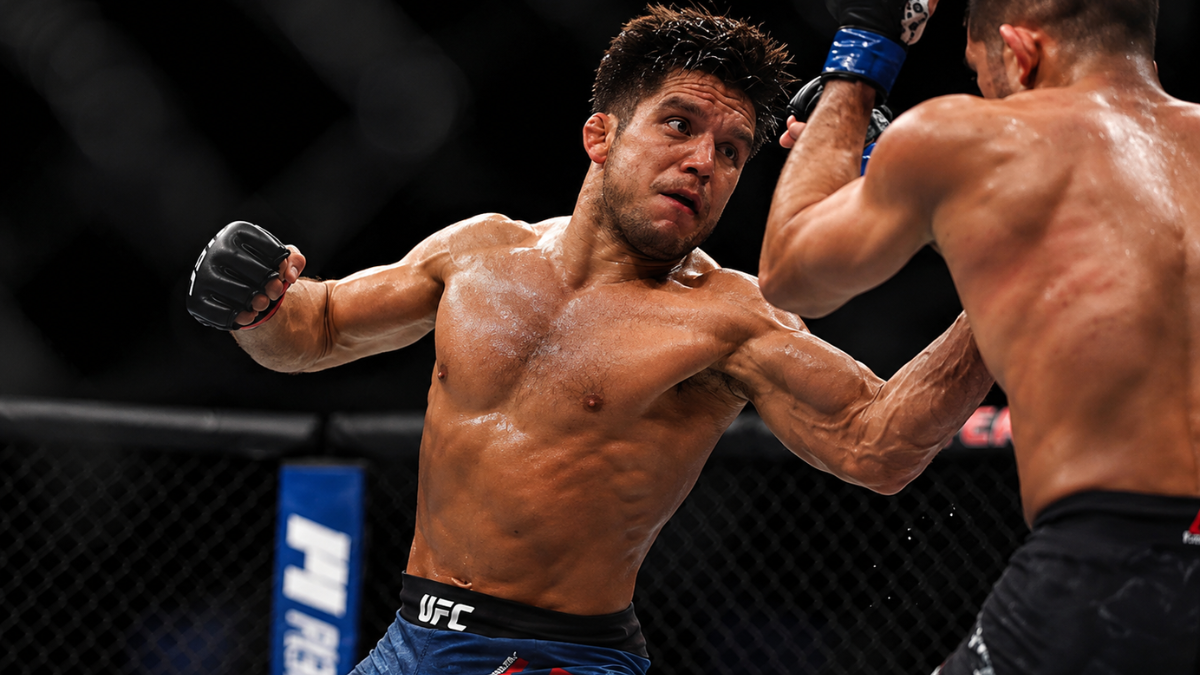
UFC 233 was scheduled for January 26, 2019, in Anaheim, California originally. The planned main event featured Henry Cejudo challenging TJ Dillashaw for flyweight gold. That title fight was moved instead to the promotion’s debut card on ESPN. Without a replacement main event, the promotion cancelled the rest of the card entirely.
That move reflected the promotion’s desire to showcase a marquee fight on its new broadcast. Losing that headliner left the original Anaheim card without a compelling enough replacement option. Officials ultimately decided cancellation made more sense than forcing a weaker main event forward.
Several other fights originally booked for UFC 233 were absorbed into different upcoming events. Ben Askren’s highly anticipated UFC debut against Robbie Lawler shifted to a different card. The cancellation marked the third and most recent time this has happened in company history. As with the previous two cases, the number 233 has never returned since.
That cancellation came with less dramatic fallout than the earlier two incidents historically. No single fighter faced the level of public criticism Jones received back in 2012. Instead, the situation reflected straightforward logistics rather than any personal conflict between fighters. Cejudo went on to win the flyweight title at the rescheduled card shortly after.
Why These Numbers Never Return
The UFC maintains a strict policy against ever reusing a cancelled event’s number. Officials have explained this approach helps avoid confusion across historical records and archives. That consistency means fans can always identify exactly which cards actually took place. Numbers 151, 176, and 233 will permanently remain gaps in the official history.
This differs from simple event postponements, which typically keep their original assigned numbers. A postponed card usually still happens later under the same original numbering. True cancellations instead scatter their fights across several completely different future events. That distinction explains why only three numbers have ever been fully retired.
Fans and historians alike often reference these three numbers when discussing promotional missteps. Each case also serves as a cautionary tale for other combat sports promotions today. Building an entire event around one single fight always carries inherent structural risk. That risk becomes especially clear whenever an unexpected injury forces last minute changes.
Postponements Versus True Cancellations
Not every disrupted UFC card counts as a full cancellation under this stricter definition. Several events faced serious last minute changes without ever losing their assigned number entirely. Fight Night cards have occasionally been delayed or relocated due to unexpected circumstances. Those situations differ meaningfully from the complete scrapping seen in all three cancelled cards.
The COVID era briefly threatened several numbered cards before eventual solutions were found instead. Creative scheduling and Fight Island helped the promotion avoid any additional full cancellations. That adaptability highlights just how rare true full cancellations have remained throughout company history.
The Financial Cost of a Cancelled Card
Cancelling an entire pay per view event carries real financial consequences for every party involved. Fighters lose promised paydays despite completing full training camps and difficult weight cuts. Venues lose ticket revenue, while broadcasters lose scheduled programming they had already promoted. That combination makes full cancellations a genuinely costly last resort for the promotion.
UFC 176’s cancellation reportedly contributed to a noticeable dip in that year’s overall company profits. Analysts pointed to lost pay per view buys and venue costs as major factors. That financial reality helps explain why the promotion works so hard to avoid similar situations. Redistributing fights across other cards became a direct response to that costly lesson.
Lessons the Promotion Learned From Each Cancellation
Each cancellation ultimately taught the promotion something valuable about main event planning overall. UFC 151 exposed the danger of relying entirely on a single marquee matchup. Officials learned the importance of maintaining stronger contingency plans for major title fights. That lesson directly shaped how future short notice replacement scenarios were handled.
UFC 176 reinforced the value of quickly redistributing fights rather than losing them entirely. That redistribution strategy minimized financial damage and kept fighters active on other cards. UFC 233 showed how even a single marquee fight could anchor an entire numbered event. Losing that anchor without a backup often leaves little choice but full cancellation.
Together, these three cases shaped how matchmakers now approach depth across every major card. Modern UFC cards typically feature stronger co main events specifically to guard against this scenario. That defensive approach reflects lessons learned directly from these three costly historical mistakes. Fewer cards today rely entirely on a single fight to justify the entire event.
Could a Fourth Cancellation Happen Again
Nothing prevents a fourth full cancellation from happening again under the right circumstances. Injuries remain unpredictable, and marquee title fights will always carry inherent scheduling risk. However, the promotion’s current approach to card depth makes that scenario increasingly unlikely today. Modern cards typically feature several genuinely compelling fights rather than just one true headliner.
That depth gives matchmakers far more flexibility if a marquee fight suddenly falls through. Elevating an existing fight to headliner status has become the preferred modern solution instead. Fans have grown accustomed to seeing cards reshuffled rather than scrapped entirely in recent years. That adaptability suggests a fourth full cancellation remains possible but genuinely unlikely for now.
How many UFC numbered events have been fully cancelled?
Only three UFC numbered events have ever been fully cancelled throughout company history. Those events were UFC 151, UFC 176, and UFC 233 respectively. Each cancellation stemmed from a different last minute crisis involving a scheduled main event. No other numbered card has ever been scrapped in this exact way.
Why was UFC 151 cancelled?
Champion Jon Jones declined a short notice replacement opponent after Dan Henderson withdrew injured. The promotion could not build another suitable main event before the scheduled date. That decision led to the first full event cancellation in UFC history.
Do cancelled UFC event numbers ever get reused later?
No, the promotion has never reused a number from a fully cancelled event. Numbers 151, 176, and 233 remain permanent gaps within the numbering system. That policy helps avoid confusion across historical records going forward.
What happened to the fights originally booked for these cancelled cards?
Fights from each cancelled event were typically rescheduled across several upcoming cards instead. Main event fighters usually received new opponents or new dates entirely. Some rescheduled fights, like Aldo versus Mendes, became genuinely memorable events later on. Very few fighters ultimately lost their opportunity to compete altogether.
Conclusion
UFC events that were cancelled remain a rare but genuinely fascinating part of company history. Three separate crises led to three permanently retired numbers across three different decades. Each situation reflected the unpredictable nature of building fight cards around healthy athletes. Those three missing numbers will likely remain a unique quirk for good.
Fans continue referencing them whenever cancellation talk resurfaces around a major upcoming card. That history remains a useful reminder of how fragile even big cards can be. Every future title fight carries at least a small trace of that same risk.