

Marc Goddard has explained why he deducted a point from Christian Leroy Duncan during his UFC Vegas 122 main event against Brendan Allen. The veteran referee faced questions after penalizing Duncan for an eye poke in the second round.The Marc Goddard Christian Leroy Duncan point deduction sparked debate because referees often issue warnings before taking points. However, Goddard says he had already warned the British middleweight several times before the foul occurred.
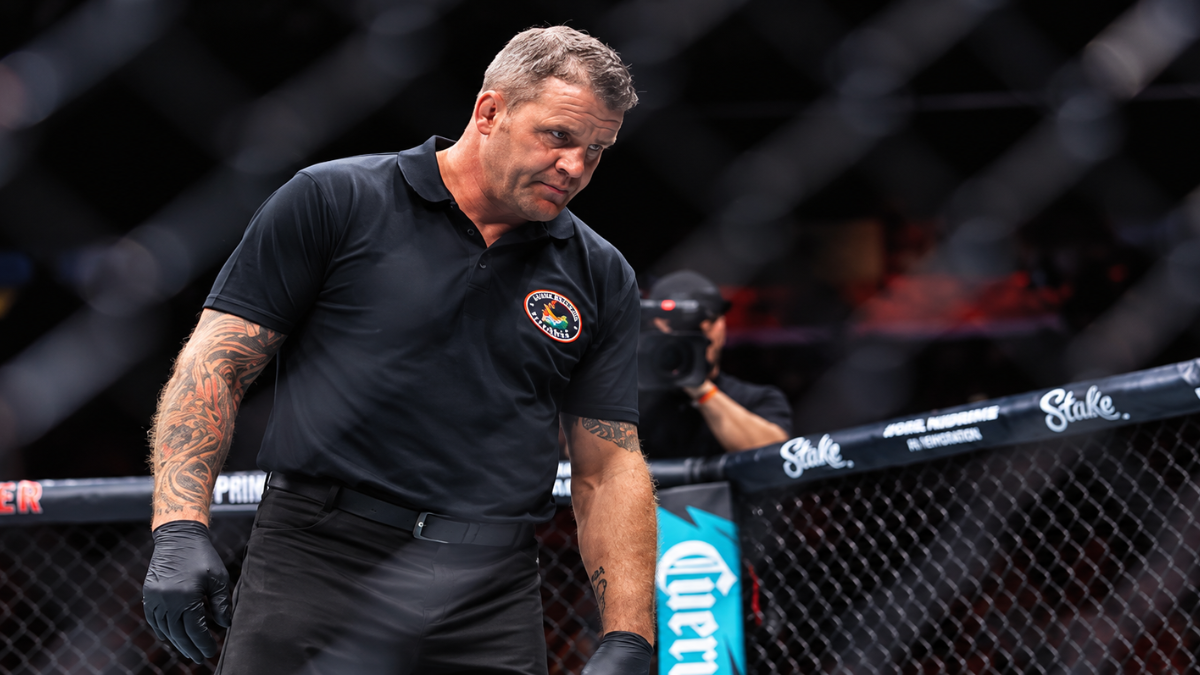
Why Marc Goddard Deducted a Point From Christian Leroy Duncan
Goddard officiated the middleweight main event at UFC Vegas 122 on Saturday, October 10, at the Meta APEX in Las Vegas. The fight featured Brendan Allen against Christian Leroy Duncan, who entered the contest on a five-fight winning streak.
The controversy began during the opening round when Allen complained about Duncan’s fingers making contact with his face during clinch exchanges. Goddard responded by warning Duncan about extending his fingers toward his opponent.
The referee addressed the issue again before the second round began. Despite those warnings, Duncan poked Allen in the eyes during a striking exchange, forcing Goddard to temporarily stop the action.
Once Allen recovered, Goddard deducted one point from Duncan. The decision surprised some viewers, particularly because officials do not always penalize fighters immediately after an eye poke.
Goddard Says Duncan Received Multiple Warnings
Goddard addressed the controversy on social media Sunday, October 11. He explained that the penalty followed several attempts to prevent the foul rather than a single isolated incident.
The referee pointed out that officials discuss important rules with fighters before every contest. Those conversations specifically address dangerous actions, including extending fingers toward an opponent’s eyes.
Goddard also confirmed that he warned Duncan during the opening round and reminded him again before the second round.
His explanation makes the sequence important. The referee considered the earlier warnings when deciding how to respond after the eye poke occurred.
Marc Goddard Explains His Decision After UFC Vegas 122
Goddard used his social media statement to explain the challenges referees face when enforcing MMA rules. He described the incident as an opportunity to help fans understand how officials approach recurring fouls.
The referee emphasized that prevention begins before fighters enter the Octagon. Officials discuss potential violations during their pre-fight instructions and continue monitoring those issues throughout the contest.
Goddard also acknowledged how difficult it can be for athletes to change habits developed over years of training.
He explained that referees cannot realistically expect fighters to abandon long-established techniques after a brief conversation. However, officials must still enforce the rules when those techniques create dangerous situations.
Goddard Calls Eye-Poke Prevention a Priority
Goddard stressed that eye-poke prevention remains an important concern for MMA referees. His comments focused on both preventing fouls and responding appropriately when they occur.
He also praised Duncan’s athletic ability and professionalism rather than criticizing the fighter personally.
The referee made clear that the penalty did not reflect a lack of respect for Duncan. Instead, he wanted to explain why repeated warnings eventually required stronger action.
His statement also highlighted a broader issue within MMA. Fighters frequently extend their hands while measuring distance, defending attacks or preparing to strike, creating situations where accidental eye contact can occur.
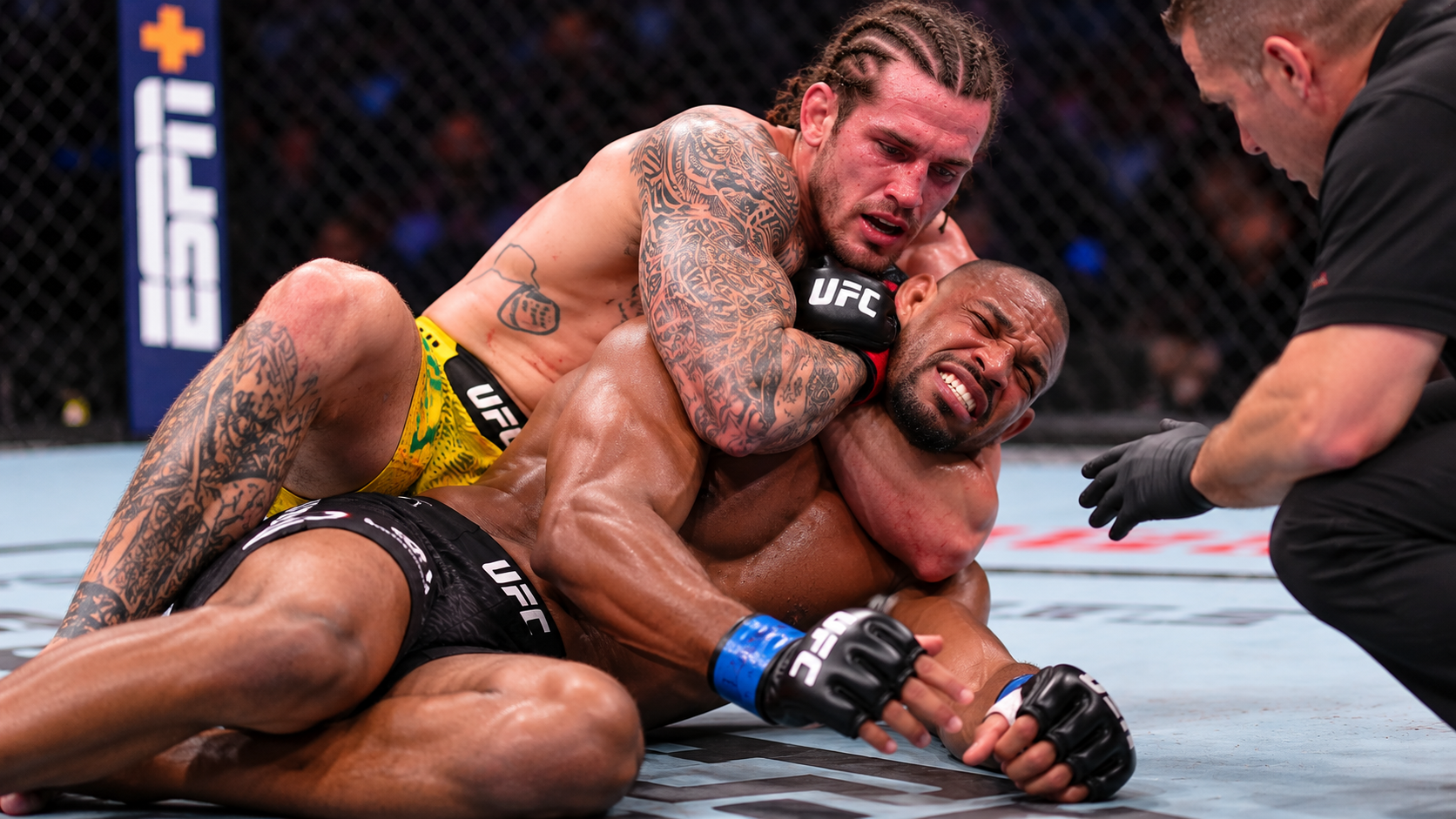
What Happened During the Eye-Poke Incident?
The incident developed across the opening two rounds rather than during one brief exchange.
Allen initially complained about contact near his eyes during clinch exchanges in Round 1. Goddard warned Duncan about his hand positioning but allowed the contest to continue.
Before Round 2, the referee again reminded Duncan to control his fingers. The warning showed that Goddard remained concerned about the possibility of another foul.
During a striking exchange in the second round, Duncan’s fingers made contact with Allen’s eyes. Goddard immediately paused the fight to allow Allen time to recover.
After assessing the situation, the referee announced the point deduction. The fighters then resumed their contest.
Why the Point Deduction Surprised UFC Fans
Eye pokes have remained a controversial issue in MMA because referees do not always respond with immediate point deductions.
Some incidents result in verbal warnings, while others lead to more serious penalties. The circumstances, severity and previous warnings can influence an official’s decision.
Goddard’s ruling attracted attention because the penalty followed an eye poke that some viewers interpreted as Duncan’s first clear foul.
However, Goddard’s explanation established that he had already addressed Duncan’s finger positioning multiple times.
That distinction formed the central argument behind his decision.
Did the Point Deduction Affect Brendan Allen vs. Christian Leroy Duncan?
The deduction could have influenced the judges’ scorecards if the fight had gone the full five rounds. However, the contest ended before the judges needed to determine a winner.
Brendan Allen secured a rear-naked choke submission in Round 5, forcing Duncan to tap out. The finish gave Allen his fourth consecutive UFC victory.
Because Allen won by submission, the earlier penalty did not determine the official result.
Nevertheless, the incident remained one of the main talking points after the event. Goddard’s decision also prompted discussion about how consistently officials should enforce eye-poke rules.
Brendan Allen Secures a Late Submission Victory
Allen and Duncan continued fighting after the second-round controversy. The contest remained competitive as both middleweights attempted to establish their preferred positions.
Duncan used his striking ability and movement, while Allen looked for opportunities to close the distance and grapple.
Allen eventually secured back control during the fifth round. He locked in a rear-naked choke and finished the fight at 2:46.
The victory strengthened Allen’s position among the leading contenders in the UFC middleweight rankings.
Following the win, Allen also expressed interest in facing former middleweight champion Dricus du Plessis.
What Do UFC Rules Say About Eye Pokes?
The Unified Rules of Mixed Martial Arts prohibit eye gouging of any kind. Fighters cannot deliberately attack an opponent’s eyes or use their fingers in ways that violate the rule.
Officials also monitor extended fingers when fighters reach toward an opponent’s face. This behavior can increase the risk of accidental eye contact during striking exchanges.
Referees have several options when responding to fouls. They can issue warnings, pause the contest, deduct points or disqualify a fighter when the circumstances justify stronger action.
A point deduction can affect the final score if a bout reaches the judges. However, it does not automatically end the contest.
Can a UFC Referee Deduct a Point Without a Warning?
Yes. Referees can deduct points when the circumstances justify a penalty. They do not necessarily have to issue a separate warning for every individual foul.
The severity of an incident, its effect on the opponent and previous instructions can influence the referee’s response.
In Duncan’s case, Goddard emphasized that he had already issued warnings before the second-round eye poke.
That sequence explains why he believed a point deduction was appropriate.
Why Are Eye Pokes Dangerous in MMA?
Eye pokes can cause immediate pain, blurred vision and other injuries that affect a fighter’s ability to continue.
Unlike legal punches, accidental contact from an extended finger can directly affect the eye. Even brief contact may require a medical assessment before the referee allows the contest to resume.
Officials must balance fighter safety with the need to enforce the rules consistently.
The issue also illustrates how different MMA fighting styles create challenges for referees, particularly when athletes use open hands to manage distance.
Why Eye-Poke Penalties Remain Controversial in the UFC
Eye-poke incidents frequently generate debate because the circumstances differ from one fight to another. Some fouls happen during aggressive exchanges, while others occur when fighters extend their hands to measure distance.
Referees must decide whether the action warrants a warning, point deduction or another response.
Fans sometimes question those decisions when different officials appear to handle similar incidents differently. That inconsistency can create confusion about what fighters should expect.
Goddard’s explanation offers insight into how one experienced referee approaches the problem.
Rather than focusing only on the moment of contact, he considered the warnings and instructions that preceded it.
Could Goddard’s Decision Influence Future UFC Fights?
The incident could encourage further discussion about stricter enforcement of eye-poke rules. However, one referee’s decision does not automatically establish a new policy for every UFC contest.
Officials must continue applying the Unified Rules while evaluating the specific circumstances of each incident.
Goddard’s comments suggest that preventative warnings and corrective penalties should work together.
His approach may also remind fighters to pay closer attention to their hand positioning, particularly after receiving instructions from a referee.
[IMAGE HERE]
What’s Next for Christian Leroy Duncan After UFC Vegas 122?
Duncan suffered his first stoppage defeat in professional MMA when Allen submitted him in the fifth round. The loss also ended his five-fight winning streak.
Despite the result, Duncan showed competitive moments against an established middleweight contender. His performance provided valuable experience in a five-round UFC main event.
The point deduction will remain part of the fight’s story, but it did not cause his defeat.
Duncan must now regroup and prepare for his next opportunity in the division. The UFC has not confirmed his next opponent.
Allen, meanwhile, continues moving toward another important middleweight matchup. His callout of du Plessis could become part of the division’s future matchmaking discussions.
Final Thoughts
The Marc Goddard Christian Leroy Duncan point deduction controversy came down to a sequence of warnings before the second-round eye poke.
Goddard explained that he addressed Duncan’s extended fingers during Round 1 and again before Round 2. When the eye poke occurred, the referee decided that another warning was insufficient.
Although the penalty attracted attention, it did not change the outcome. Brendan Allen submitted Duncan in the fifth round to secure his fourth consecutive victory.
The incident nevertheless highlighted an ongoing challenge for MMA officials: preventing dangerous eye contact while applying the rules consistently.
FAQs
Why did Marc Goddard deduct a point from Christian Leroy Duncan?
Goddard deducted a point after Duncan poked Brendan Allen in the eyes during Round 2. The referee said he had already warned Duncan about extending his fingers.
Did Christian Leroy Duncan receive a warning before the eye poke?
Yes. Goddard said he warned Duncan during Round 1 and reminded him about his hand positioning before Round 2.
Did the point deduction cost Christian Leroy Duncan the fight?
No. Brendan Allen won by rear-naked choke submission in Round 5, so the judges’ scorecards did not determine the result.
What did Marc Goddard say about the controversial decision?
Goddard explained that referees discuss eye-poke prevention before fights and must respond when athletes continue dangerous behavior after receiving warnings.
Who won Brendan Allen vs. Christian Leroy Duncan at UFC Vegas 122?
Brendan Allen defeated Christian Leroy Duncan by rear-naked choke submission at 2:46 of Round 5.