

UFC referees handle dangerous situations inside the Octagon, but their earnings may surprise many fans. Veteran official John McCarthy recently revealed that his highest payment for working an entire UFC event was just $2,000. His comments came after Dan Miragliotta faced criticism for a controversial decision at UFC Vegas 123. The discussion about how much do UFC referees get paid has raised fresh questions about compensation, responsibility, and pressure on MMA officials.
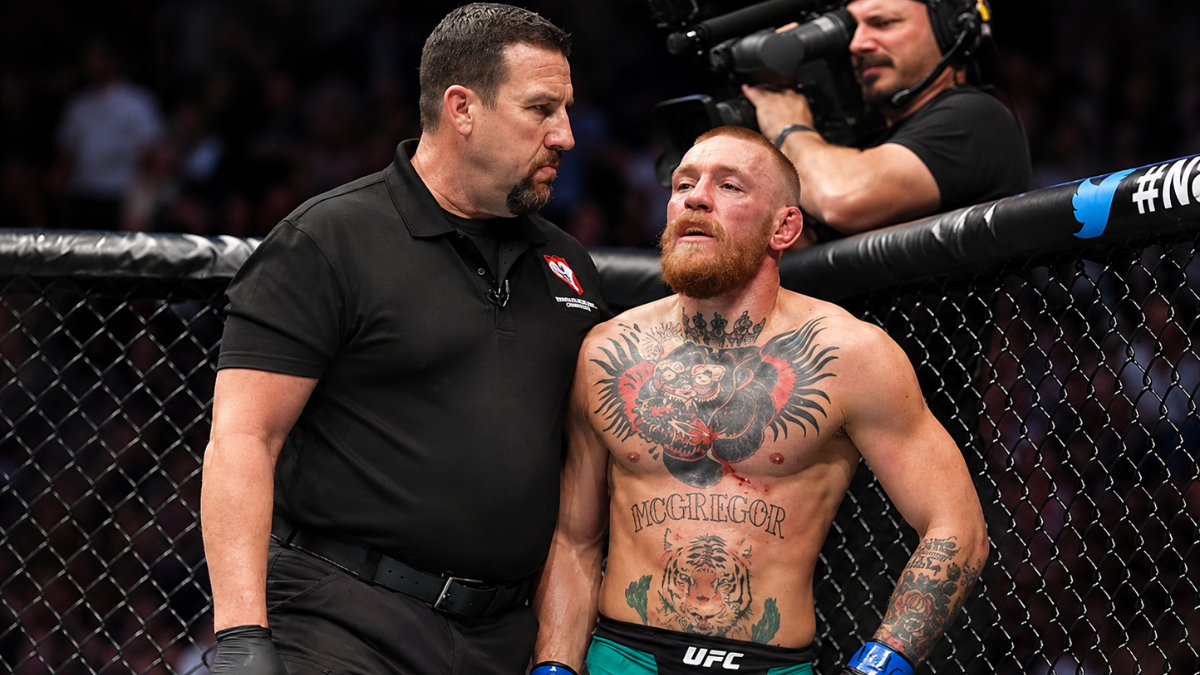
How Much Do UFC Referees Get Paid? Big John McCarthy Reveals $2,000 Maximum
Veteran MMA referee John McCarthy revealed that his highest payment for officiating an entire UFC event was $2,000. The 64-year-old discussed referee compensation during a November 2 appearance on The Ariel Helwani Show. His comments followed criticism surrounding Dan Miragliotta’s performance at UFC Vegas 123.
McCarthy explained that he received his highest payment during his final UFC refereeing assignment in New York in 2017. Despite officiating numerous championship fights throughout his career, he never earned more than that amount for a single event. His revelation challenged assumptions about the money available to experienced MMA officials.
The former referee also discussed what Miragliotta might have earned for overseeing Renato Moicano against Tom Nolan. McCarthy estimated that the official received approximately $1,600 for the main event. However, he acknowledged that he did not know Miragliotta’s exact payment.
Those figures reflect McCarthy’s personal experience and estimate rather than an official UFC salary structure. Referee compensation can vary depending on the athletic commission, event, and assigned bout. Therefore, his $2,000 maximum should not be treated as a universal earnings limit for every official.
Big John McCarthy Estimates Dan Miragliotta Earned $1,600 at UFC Vegas 123
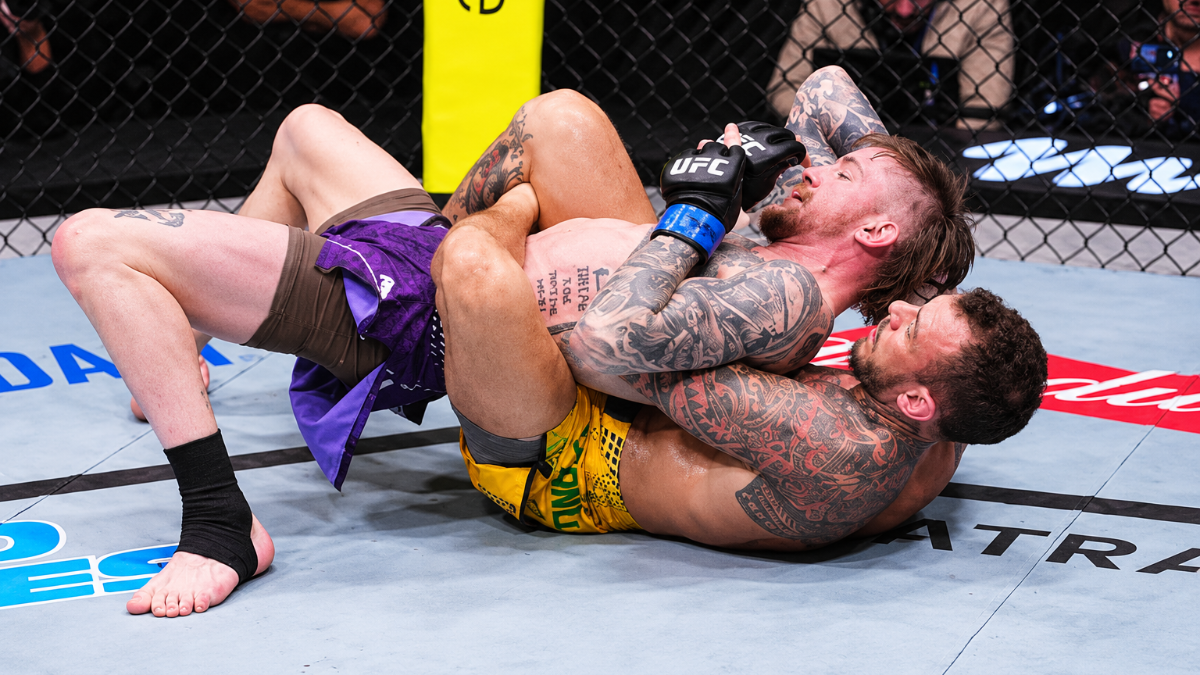
McCarthy discussed referee compensation while addressing the controversy surrounding UFC Vegas 123. Dan Miragliotta received widespread criticism after separating Renato Moicano and Tom Nolan during their lightweight main event. The decision occurred while Moicano controlled Nolan’s back during the second round.
McCarthy estimated that Miragliotta might have received around $1,600 for officiating the contest. However, he made it clear that the amount was not confirmed. The figure was an estimate based on his understanding of compensation for experienced officials.
The veteran referee believes that officials face considerable pressure relative to their earnings. A single decision can influence a major contest and trigger criticism from fighters and viewers. That responsibility becomes particularly demanding when controversial moments attract widespread attention.
McCarthy’s comments introduced a financial perspective to the discussion surrounding Miragliotta. While officials must follow established rules, their work also involves making immediate decisions under pressure. The consequences of those decisions can extend beyond the Octagon.
What Happened During Dan Miragliotta’s Controversial UFC Vegas 123 Decision?
The controversy began during the October 31 lightweight main event between Renato Moicano (21-8-1) and Tom Nolan (12-1). Moicano had established a dominant grappling position and controlled Nolan’s back with a body triangle. However, Miragliotta unexpectedly separated the fighters and restarted the action standing.
Moicano had maintained control for an extended period while searching for submission opportunities. His body triangle restricted Nolan’s movement and prevented the Australian from returning to his preferred striking range. The referee nevertheless decided that the fighters should resume from a standing position.
Nolan capitalized on the restart and began landing damaging strikes against the Brazilian. He eventually finished Moicano through a third-round TKO at 1:28. The Australian secured his sixth consecutive victory, although the earlier stand-up decision remained controversial.
The complete Renato Moicano vs Tom Nolan result detailed how the disputed restart affected the contest’s momentum. Nolan’s victory remains official despite criticism of the referee’s intervention. However, the incident raised questions about how officials interpret inactivity during dominant grappling exchanges.
Why Did Big John McCarthy Criticize Miragliotta’s Decision?
McCarthy believes referees should avoid interrupting legitimate offensive grappling simply because a finish has not occurred. Back control remains one of MMA’s most advantageous positions. Fighters can use it to attack submissions, maintain control, and deliver strikes.
He argued that referees should distinguish genuine inactivity from a fighter working toward a submission. Maintaining a dominant position does not automatically mean the competitor has stopped attacking. That distinction becomes important when evaluating whether a stand-up is appropriate.
McCarthy also acknowledged Miragliotta’s experience rather than questioning his overall character or professionalism. His criticism focused on the decision itself and its effect on the contest. The veteran official believes referees must avoid changing a fighter’s advantageous position without sufficient justification.
However, disagreement over an individual decision does not establish misconduct. Officials must interpret the rules while monitoring fighter safety and activity. The controversy highlights the difficulty of applying those responsibilities during competitive MMA exchanges.
Why UFC Referees Face Increasing Pressure and Criticism
McCarthy believes the responsibilities of MMA referees have grown alongside the sport’s popularity. Officials must protect fighters, enforce rules, and make immediate decisions during dangerous exchanges. However, they can face significant criticism even when their decisions are defensible.
He also raised concerns about the influence of sports betting on public reactions. Fans sometimes blame referees when controversial decisions affect the outcome of a fight. McCarthy said officials can face accusations of corruption and even threats following disputed calls.
The former referee suggested that these pressures can make officiating less attractive. Experienced officials must manage intense scrutiny while receiving compensation that may not reflect their responsibilities. Over time, that combination could discourage some from continuing.
However, the pressure on referees does not remove their responsibility to make appropriate decisions. Fighter safety and consistent rule enforcement remain essential parts of the profession. McCarthy’s comments instead highlight the importance of supporting officials while maintaining accountability.
Who Actually Pays UFC Referees?
UFC referees generally receive their compensation through the relevant athletic commission rather than directly from the promotion. State commissions oversee professional MMA events within their jurisdictions and arrange officiating assignments. They also establish payment structures under their regulatory systems.
However, compensation can vary between states and different types of events. Major championship assignments may carry higher fees than smaller professional contests. Experience, event location, and regulatory arrangements can also influence payment.
The UFC plays an important role in organizing events, but referees are not ordinary employees of the promotion. Athletic commissions maintain responsibility for regulating officiating in their jurisdictions. This distinction helps explain why there is no single UFC-wide salary applicable to every referee.
McCarthy also discussed how the UFC can influence preferred officiating assignments. He said the promotion communicates which officials it feels comfortable working with. However, formal appointments remain the responsibility of the relevant regulatory authority.
Do UFC Referees Earn a Fixed Salary?
UFC referees generally receive assignment-based compensation rather than a standard annual UFC salary. Their income depends partly on how frequently they receive appointments. Officials may also work events promoted by different MMA organizations.
Consequently, payments for individual contests do not necessarily represent an official’s total annual earnings. Referees who work more events can receive compensation from multiple assignments. However, travel, training, licensing, and other professional expenses may affect their overall income.
McCarthy’s $2,000 figure reflects his highest reported payment for one UFC event during his refereeing career. It does not establish a fixed rate for every major contest. Similarly, his $1,600 estimate for Miragliotta remains unconfirmed.
How Much Did Big John McCarthy Earn for Major UFC Fights?
McCarthy’s latest comments provide context for how MMA officiating compensation developed during his career. He worked numerous important fights before ending his regular UFC refereeing tenure in 2017. His assignments included championship contests involving some of the sport’s biggest names.
One notable example came at UFC 194 in December 2015. McCarthy received $1,900 for refereeing the featherweight championship fight between Conor McGregor and Jose Aldo. The contest ended when McGregor knocked out Aldo in just 13 seconds.
The payment reflected the compensation available for a major Nevada championship assignment at that time. However, it was considerably lower than fees associated with some high-profile professional boxing contests. McCarthy has previously discussed that difference when describing the financial realities of MMA officiating.
His later $2,000 payment in New York represented only a modest increase over that 2015 assignment. However, those historical figures should not be presented as confirmed current rates. Commission pay structures may have changed since McCarthy’s regular UFC refereeing career ended.
Big John McCarthy’s Reported Referee Payments
| Assignment | Reported payment | Context |
| UFC 194: McGregor vs Aldo, 2015 | $1,900 | Confirmed historical referee fee |
| McCarthy’s final UFC event, New York, 2017 | $2,000 | His highest reported UFC event payment |
| UFC Vegas 123: Moicano vs Nolan, 2026 | Approximately $1,600 | McCarthy’s estimate for Dan Miragliotta, not verified |
These amounts come from different events and should not be treated as a standardized referee salary scale. They illustrate the payments McCarthy discussed rather than a complete industry compensation report. Current earnings depend on the commission and individual assignment.
Why Has Big John McCarthy Not Refereed UFC Events Since 2017?
McCarthy also discussed his absence from UFC officiating assignments during the interview with Ariel Helwani. He explained that his decision to work as a Bellator commentator affected his relationship with UFC leadership. According to McCarthy, Dana White was unhappy about that move.
The veteran official suggested that White did not want him assigned to subsequent UFC events. However, that explanation reflects McCarthy’s account of the situation. It does not establish the full reasoning behind every commission appointment since 2017.
McCarthy also challenged the idea that promotions have no influence over referee selection. While acknowledging the authority of athletic commissions, he said organizations communicate their preferences. Such discussions can affect which officials promoters feel comfortable having at their events.
The longtime referee has remained involved in MMA through commentary, analysis, and officiating education. His experience allows him to offer detailed perspectives on controversial decisions. However, his views do not replace the official judgments of athletic commissions.
Why Experienced Referees Matter in Major UFC Fights
Professional MMA referees must understand striking, wrestling, submission grappling, and fighter safety. Their decisions can involve recognizing unconsciousness, illegal techniques, or an opponent’s inability to defend. They must often make those judgments within seconds.
The Moicano-Nolan controversy demonstrates how grappling positions can create difficult decisions. A referee must distinguish between inactivity and legitimate attempts to improve position. Interrupting an exchange too early can change the competitive circumstances.
The UFC Vegas 123 results featured six stoppages across 12 contests, requiring officials to monitor numerous dangerous exchanges. Although the headline controversy attracted the most attention, every contest involved important safety responsibilities. Those decisions form a major part of an official’s role.
Experienced referees develop judgment through repeated exposure to different fighting situations. However, experience does not guarantee that every decision will be correct. Consistent training, clear rules, and appropriate compensation remain important considerations.
Could Better Referee Pay Improve MMA Officiating?
McCarthy’s comments raise questions about whether existing compensation adequately reflects the demands of professional MMA officiating. The job involves considerable responsibility, public scrutiny, and potential safety consequences. Those demands become more significant during major championship contests.
Higher compensation could make officiating more attractive to experienced professionals. It might also help justify the time required for training and continuing education. However, increasing pay alone would not guarantee better decisions inside the Octagon.
Clear officiating standards and ongoing assessment remain essential. Athletic commissions must ensure that referees understand the rules and apply them consistently. Improved professional support could complement those existing responsibilities.
The Miragliotta controversy illustrates why these discussions matter. A single decision became a major talking point after Nolan’s victory over Moicano. McCarthy’s revelations have now expanded that discussion beyond the fight itself.
Final Thoughts
Big John McCarthy has revealed that his highest payment for officiating an entire UFC event was $2,000. He received that amount during his final regular UFC refereeing assignment in 2017. His comments provide insight into compensation that may surprise fans familiar with the sport’s commercial success.
McCarthy also estimated that Dan Miragliotta earned approximately $1,600 for the UFC Vegas 123 main event. However, that figure remains an estimate rather than an officially disclosed payment. The controversy surrounding Miragliotta’s stand-up decision prompted a broader discussion about officiating standards.
Referees face considerable responsibility when protecting fighters and enforcing MMA rules. They also encounter criticism, public pressure, and sometimes personal threats. McCarthy believes the financial rewards do not always reflect those demands, making referee compensation an important issue.
FAQs About How Much Do UFC Referees Get Paid
1. How much do UFC referees get paid per fight?
UFC referee payments vary by athletic commission, location, and assignment. Big John McCarthy estimated Dan Miragliotta earned around $1,600 for the UFC Vegas 123 main event, although the amount remains unconfirmed.
2. What was Big John McCarthy’s highest UFC referee payment?
McCarthy revealed that his highest payment was $2,000 for working an entire UFC event. He received that amount during his final regular UFC refereeing assignment in New York in 2017.
3. Does the UFC directly pay its referees?
Referees generally receive compensation through the athletic commissions responsible for regulating events. They are not ordinary UFC employees receiving a fixed salary from the promotion.
4. How much did Big John McCarthy earn for McGregor vs Aldo?
McCarthy received $1,900 for refereeing Conor McGregor against Jose Aldo at UFC 194 in December 2015. The championship contest ended with McGregor winning by knockout after 13 seconds.
5. Why did Big John McCarthy criticize Dan Miragliotta?
McCarthy disagreed with Miragliotta’s decision to stand Renato Moicano and Tom Nolan up during a dominant grappling exchange. He believed Moicano should have been allowed to continue working from back control.