


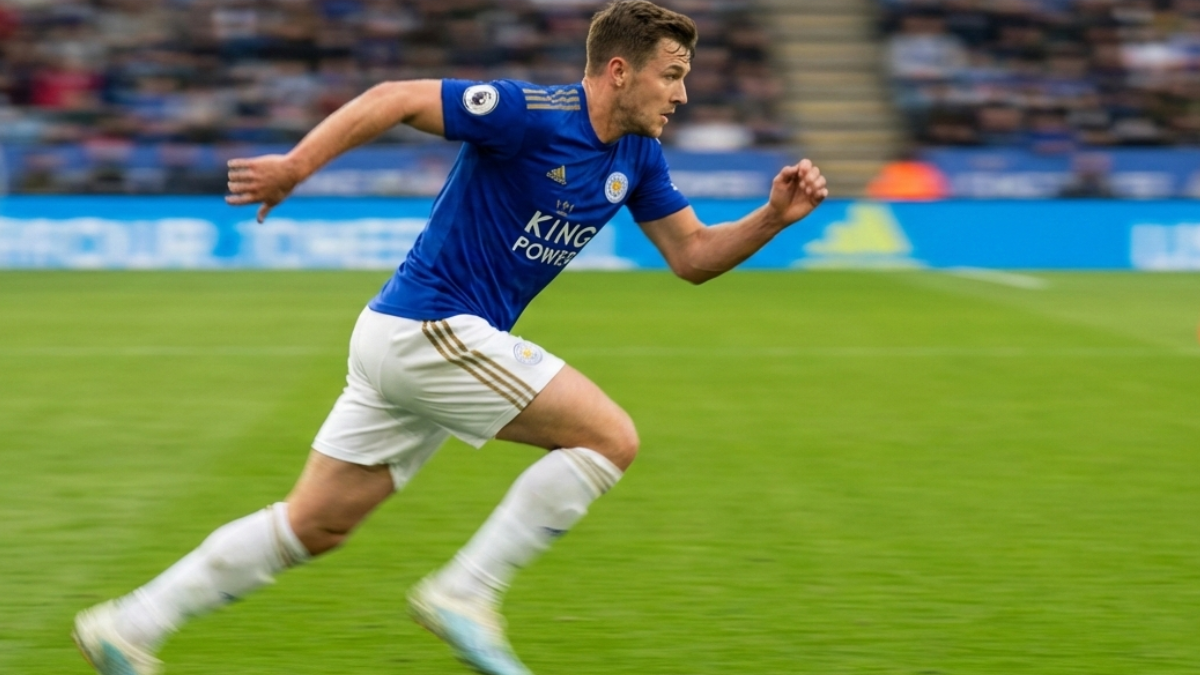
Sprinting is a game, changer in today’s football. A player sprinting is not just about running fast; its about the moment of exploding past a defender to make your move count most. The players use that initial burst of speed and their maximum running speed. It helps them to lose their opponents, create opportunities, and surprise the teams with a sudden counterattack. Sprinting is not just a skill, it is the factor which gives the players the winning advantage on the pitch. Let delve into the topic what is sprint football? And also why it’s turning into such a crucial factor for those who want to be noticed in the game.
What Is Sprint Football?
Sprint football is mainly about short, explosive spurts of speed rather than long, distance running. During a game, the football players hardly ever run at top speed for a long time. Rather, they sprint for a few seconds, normally over a distance of 10, 40 meters.
The short sprints usually happen when players are motivated to react the ball, or when the ball carrier tries to get past the opponent. It is a fact that running at a constant pace or jogging uses up less energy than sprinting. But in the case of sprinting, the body gives its maximum effort. Therefore players get a strong acceleration from a standing or slow, moving start.
Jogging is beneficial to the players in terms of keeping their positions and getting their energy needs met. In contemporary football, the significance of speed cannot be overemphasized. In top football clubs’ matches and international game events, it is a common practice to use GPS trackers. These sophisticated tools determine the number of times the players sprint and the duration of their high, speed runs.
Sprinting in Football: Types and Situations
Counterattacks:
If the team manages to gain control of the ball, very rapidly the players will make a run to the opponents goal. And after it capture the ball before the defenders are able to get the ball back. Since a quick sprint opens up huge chances to score very few seconds into the game.
Recovery Runs:
After losing possession, defensive players and midfielders usually are the ones that sprint back in. These recovery runs are essential in preventing the opponents from scoring and in keeping the goal safe.
1v1 Duels:
In such a situation, attackers sprint to get past the defenders. Simultaneously, defenders sprint back to catch up, put pressure, and block the shots. The speed, factor generally determines the outcome of a duel between two football players in a game.
Pressing:
Players either start to sprint or continue sprinting to get nearer to their opponents which results in them making mistakes due to the pressure.
Rapid closing down of the opponent in a situation where the opponent has the ball is crucial. It decreases the time available for the player to pass and thus increases the chances of winning the ball. So, sprint is a vital part of those situations that change the game momentum.
Why Sprinting Matters in Football
Sprinting has a tremendous impact on the football game in deciding how it will flow. In fact, it influences both team strategies and individual players’ performances.
Game Dynamics and Tactical Importance
Fast sprinting enables teams to switch from defending to attacking in a matter of seconds. This rapid change, known as counterattacking football, can be a real surprise to the opposing team. Players who have good sprinting abilities make defenders fall back to cover them.
It gave the midfield and the wide areas more space. Wingers, full backs, and forwards, especially, rely on speed to stretch the defense and create passing lanes. This is why the team with fast players can be more aggressive and attack with the conviction that they will score.
Beating Opponents
Speed enables players to get past defenders in one-on-one situations. A sprint forward can get to the through, ball sooner. Sprinting also provides ways of breaking away, closing in, and making use of the few spaces in the defense.
Sprinting also boosts the probability of winning aerial duels and converting counterattacks into goals in a football match. Even a slight edge is sufficient for turning a clear goal, scoring chance for any football player.
Defensive Benefits
Sprinting is essential in a football match. Defenders and midfielders exploit their speed to race back, block shots, and cut off passing lanes. Quick recovery runs can stop a counterattack and help the team a lot in getting the ball back.
Top 5 Fastest Footballers in the World
The top 5 fastest footballers in modern football, according to their top sprint speed during football matches. Speed is a crucial factor when it comes to counterattacks, recovery runs, and breakaways. Look at the table below to see the top 5 fastest footballers in modern football.
| Rank | Player | Top Speed (km/h) | Club |
| 1 | Kylian Mbappé | 38.00 | Real Madrid |
| 2 | Sirlord Conteh | 37.38 | Heidenheim |
| 3 | Micky van de Ven | 37.10 | Tottenham |
| 4 | Jean-Mattéo Bahoya | 37.16 | Frankfurt |
| 5 | Chiedozie Ogbene | 36.93 | Ipswich Town |
Conclusion
Sprint football is an essential element of football today. It emphasizes brief, high, speed bursts which allow players to quickly attack, defend, and recover. Running at full speed helps to increase acceleration, reaction time, and the player’s general performance on the field. Someone who is fast can open up space, dribble past opponents and also get back on the defense. Modern tracking devices indicate that speed has become an extremely important factor in football. In continuance, sprint football reveals that today’s football game speed is at least equal to, if not more than, skill and strategy. Also check out the Basic Rules of Football.
FAQS:
What is sprint football?
Sprint football is a game that is played with short, maximum, speed bursts to quickly attack, defend, and recover.
Why is sprinting important in football?
Sprinting assists players in getting the better of their opponents, recovering their defensive positions, and creating scoring opportunities.
How far do footballers sprint in a match?
Depending on the situation, most footballers sprint 10, 40 meters.
Who is the fastest footballer in the world?
The French player, Kylian Mbappe, is the world’s fastest footballer with the highest recorded speed of 38KM/H.
How can players improve their sprint speed?
Footballers can improve their sprint speed by doing drills such as short sprints, resistance training, and interval running.


1 Comment
Pingback: Can You Use Football Cleats for Soccer? A Complete Guide for Beginners - Sports News and Views