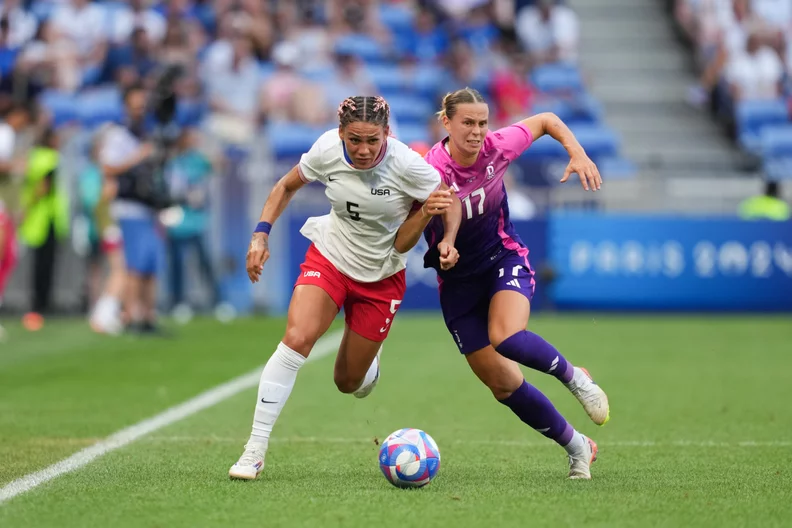
How long is a football game
The duration of a football game is one of the common things posed by fans to the league, especially by those witnessing the event for the very first time. Official playing time may look straightforward, but actual time can differ considerably due to stoppages, breaks, and game rules. Once fans get the hang of football time, they will be able to plan accordingly and enjoy the match without any mix-up.
Football matches differ in their timings depending on the league and format, but the basic time rules are almost the same. From the very first kick-off until the referee’s final whistle, the game might be influenced by various factors, making it last longer than the clocked playing time displayed during the match.
Quick Summary
A football game officially lasts 90 minutes, divided into two halves. However, added time, halftime breaks, injuries, and stoppages usually extend the total viewing time to nearly two hours or more, depending on the competition and match situation.
Official Playing Time of a Football Game
The official duration of the game gives the main answer to the question of how long is a football game. The regular football games have a total time of 90 minutes, which is divided into two halves of 45 minutes each. This regulation is commonly followed by most of the professional leagues, international matches, and competitive tournaments all over the world. Read More: FIFA Club World Cup 2025

There is a break between the two halves, which is the halftime, and it usually lasts for 15 minutes. During this break, teams rest, change tactics, and prepare for the second half, which consequently adds to the total timeframe of the football game experience.
Stoppage Time and Added Minutes
Stoppage time plays an essential role in a football match, and it is the referee who calls it stoppage time when he/she has decided to add a specific number of minutes at the end of each half to compensate for the stoppages caused by injuries, substitution etc. Stoppage time is the term that is used for these additional minutes.
The amount of time added is not the same for all matches; it changes according to the incidents taking place on the field. There are cases when the referee might add only one or two minutes to the official game time, while in other instances, namely for matches characterized by a lot of physical play, the stoppage time might be prolonged tremendously.
Extra Time and Penalty Shootouts
A football game lasts for a duration of 90 minutes, but at times, the matches may be extended in the case of knockout tournaments. In case of a stalemate, the next step is to allow for 30 extra minutes, which are divided into two 15-minute periods. Thus, watching a soccer game has literally been extended in a way.

On the flip side, if the score stays equal after the extra period, then the penalty shootout becomes the next procedure. The shootout is not included in the playing time; however, it still adds to the total time of the match, and hence, sometimes, football games can last more than two hours.
Average Total Duration of a Football Game
While official playing time is 90 minutes, the real answer to how long is a football game is includes breaks and delays. Most football matches last between 1 hour and 50 minutes and 2 hours from kickoff to final whistle.
This duration includes halftime, stoppage time, and short pauses during play. Matches with extra time or penalties naturally take longer, especially during tournaments like the World Cup or continental championships.
Football Game Time Breakdown Table
| Match Component | Time Duration |
|
First Half |
45 minutes |
| Halftime Break | 15 minutes |
| Second Half | 45 minutes |
| Stoppage Time | 1–10 minutes |
| Extra Time (if needed) | 30 minutes |
| Penalty Shootout (if needed) | 10–15 minutes |
Factors That Affect Football Game Length
In a football game, several factors besides official time have an impact on its length. The duration of the match can be extended by injuries, referee decisions, VAR checks, and substitutions. A high-intensity match generally has more stoppages than a low-paced match.
Weather and fans’ behavior can also influence the timing. In the case of professional football, referees are the ones who decide how much time is to be compensated for during the match, so there will not be matches with the same total duration ever again.
Final Thoughts
Understanding how long is a football game is helps fans set expectations before watching or attending matches. While the official playing time is fixed, the real match duration varies due to breaks, stoppages, and competition rules.
Whether you are a casual viewer or a dedicated fan, knowing the complete time breakdown allows you to enjoy football without confusion. Every match is unique, which makes football exciting and unpredictable until the final whistle.
FAQs
Q 1: How long is a football game, including breaks?
A football game usually lasts around 1 hour and 50 minutes to 2 hours. This includes 90 minutes of play, halftime, stoppage time, and short delays during the match.
Q 2: Why does a football game last longer than 90 minutes?
Although the official playing time is 90 minutes, stoppage time is added for injuries, substitutions, and delays. These pauses extend how long a football game lasts.
Q 3: Does extra time count in regular football matches?
Extra time is not part of regular league matches. It is only played in knockout competitions when a winner must be decided after the match ends in a draw.
Q 4: Is stoppage time the same in every football game?
No, stoppage time varies in every match. Referees decide on added minutes based on interruptions, injuries, and time-wasting during each half.


