
The UFC’s historic White House event carried a genuine financial cost now made public. The UFC White House card loss stands at approximately 30 million dollars total. TKO confirmed the exact figure during a Q2 earnings call with investors this week.
The event never sold a single ticket despite drawing enormous global attention. Original cost projections had placed the potential loss well above 60 million dollars. Here is the full financial breakdown and why the UFC still considers the event a success.

What TKO Actually Confirmed on the Earnings Call
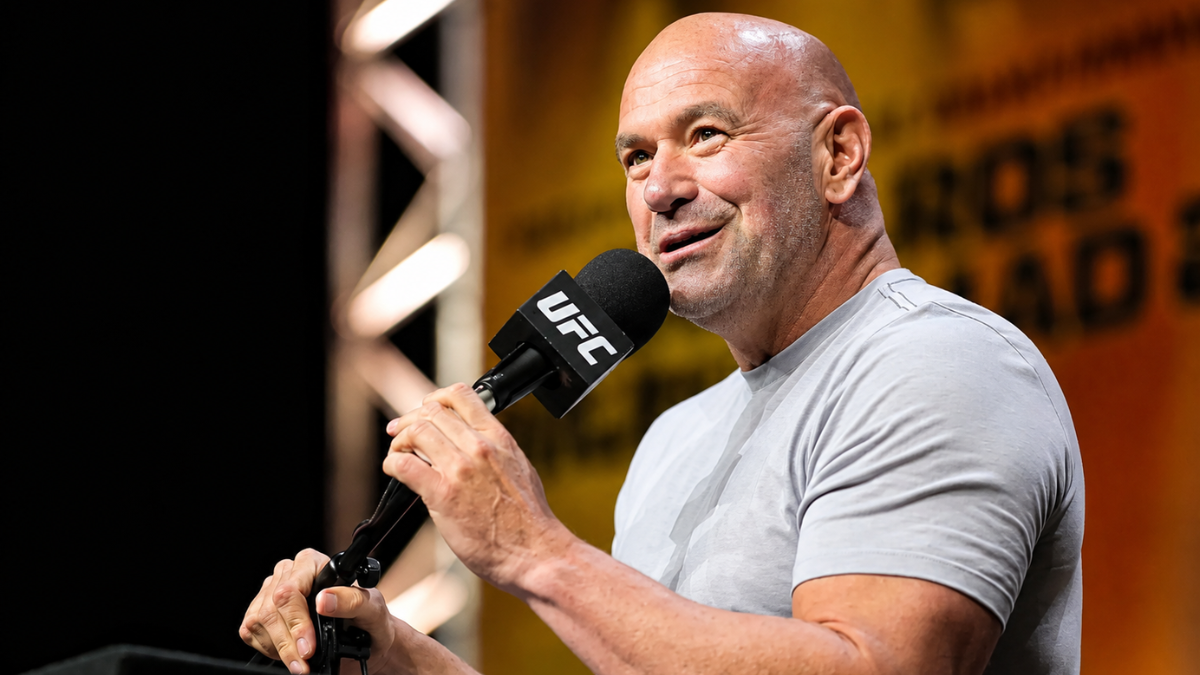
TKO chief financial officer Andrew Schleimer disclosed the loss directly during the earnings call. He confirmed the promotion incurred significantly higher costs than any normal event produces. Sponsorship and partnership revenue helped offset a meaningful portion of those elevated expenses.
Schleimer stated plainly that no live event ticket revenue was recorded for this specific card. He described the approximate 30 million dollar loss as fully anticipated given the event’s unique profile. He noted the result meaningfully impacted margins across the entire consolidated business.
How the $60 Million Original Cost Broke Down
Early estimates placed total production costs for the South Lawn card north of 60 million dollars. That figure included a massive temporary structure, custom seating, and extensive security requirements. Sponsorship deals ultimately brought the final net loss down to roughly half that original projection.
The promotion never charged fans directly for tickets to attend the historic card. That decision alone eliminated a revenue stream that normally offsets a significant portion of event costs. The unique nature of hosting a card at the White House made standard financial comparisons genuinely difficult.
Why UFC Still Considers It a Strategic Win
Despite the direct loss, UFC and TKO reported strong overall growth for the same quarter. Total company revenue climbed 29 percent to 535.7 million dollars during the period. Adjusted earnings rose 15 percent as well, reaching 35.6 million dollars company-wide.
TKO also raised its full-year revenue guidance by 100 million dollars following the results. The company estimated the White House card generated close to a billion dollars in earned media value. Executives argued that exposure alone justified treating the event as a long-term brand investment.
The Card That Cost the UFC So Much
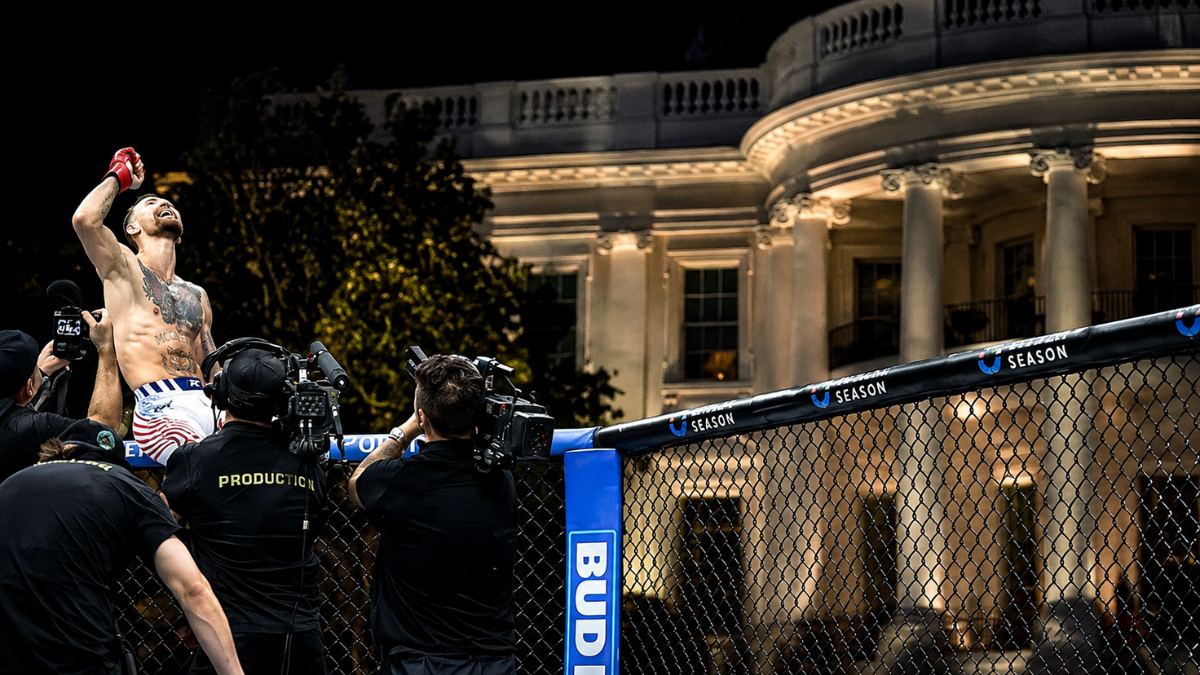
UFC Freedom 250 took place on the White House South Lawn on June 14 this year. The event featured Justin Gaethje defeating Ilia Topuria for the undisputed lightweight title. It also included a heavyweight showdown involving Alex Pereira 13-4-0 on one of the most unusual cards in UFC history.
Conclusion
The UFC White House card loss confirms what analysts suspected long before the official earnings call happened. Thirty million dollars is a real cost, but the promotion’s broader financial results suggest the gamble paid off strategically. Whether another White House card happens again remains an open question for the UFC’s future calendar.