
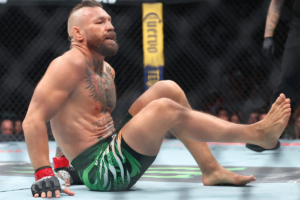
Conor McGregor’s UFC return ended in 69 seconds. His right knee gave out during a jumping kick against Max Holloway at UFC 329. No official diagnosis exists yet. Doctors are split between an ACL tear and a meniscus injury, and that split matters more than most reports suggest.

How The Injury Happened
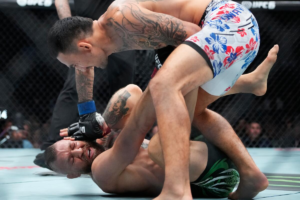
McGregor opened the fight with a flying kick. He landed awkwardly on his right knee and it buckled immediately. He could not plant his lead leg after that. Referee Mike Beltran stopped the bout at 1:09 of round one, handing Max Holloway a TKO win.
McGregor tried to continue for nearly a minute. He slipped twice while Holloway landed shots on him. Holloway himself asked Beltran to stop the fight once he saw McGregor was hurt. This detail rarely gets enough attention, and it says a lot about how serious the damage looked in real time.
What McGregor Says Happened
McGregor denies carrying any injury into the fight. He says he threw kicks, planted, and jumped normally through camp and even backstage minutes before he walked out. In his words, the knee failure came out of nowhere. Dana White backed this account at the post-fight press conference.
White pointed out that McGregor rushed Holloway at the weigh-in, and millions watched that clip. He argued someone would have flagged an existing injury if one were there. That timeline detail is worth remembering before assuming this was a pre-existing problem.
ACL Or Meniscus: The Medical Split
Dana White says the UFC is assuming a torn ACL, and team doctors agree with that read. Former NFL physician David Chao flagged concern for the ACL and MCL, plus a possible patella subluxation. That combination points toward a longer, more complicated recovery road.
Dr. Brian Sutterer disagrees with the ACL theory. He reviewed the tape and did not see the classic shift that usually comes with an ACL tear. He believes a meniscus injury is more likely, and he thinks it may have already existed before worsening on this landing.
This split matters for recovery time. A meniscus tear can heal in around six months. An ACL tear, especially with MCL involvement, often needs nine to twelve months before a full return. For a 37-year-old fighter, that gap changes everything about a comeback timeline.

Why This Injury Hits Differently
McGregor tore his ACL in the same knee against the same opponent back in 2013. He also broke his tibia against Dustin Poirier in 2021, which cost him three full years away from the octagon. Two major injuries to the same leg, at 37, is a pattern worth taking seriously.
Most coverage treats this as a fresh, isolated setback. It is not. A body that has absorbed two career-altering leg injuries responds differently to trauma than a body facing its first one. Scar tissue, altered joint mechanics, and years of compensation patterns all raise the odds of a slower, less complete recovery this time.
What Comes Next
An official diagnosis has not been released yet. Once scans confirm the exact damage, McGregor’s team will map out surgery and rehab. If it is a meniscus tear, a fight in early 2027 is realistic. If it is a full ACL tear with MCL damage, that window pushes back significantly, and a full comeback becomes far less certain.
Holloway has already called for a trilogy fight between the two. That decision depends entirely on how McGregor’s knee heals over the coming months. For deeper analysis on how this affects the welterweight picture, our UFC welterweight rankings breakdown covers where things stand. You can also read our full UFC 329 fight analysis for a complete picture of what happened inside the octagon.
The Bottom Line
Conor McGregor’s knee injury at UFC 329 is serious, but the exact diagnosis is still unconfirmed. The ACL versus meniscus debate is not just a medical detail. It decides whether McGregor fights again in 2027 or faces the end of his competitive career. Until scans confirm the damage, every recovery timeline remains a guess dressed up as certainty.
For live updates directly from the source, McGregor’s team is expected to release official medical results through outlets like the ESPN MMA desk in the coming days. Until then, the smartest move is to treat every timeline claim, including this one, as provisional.